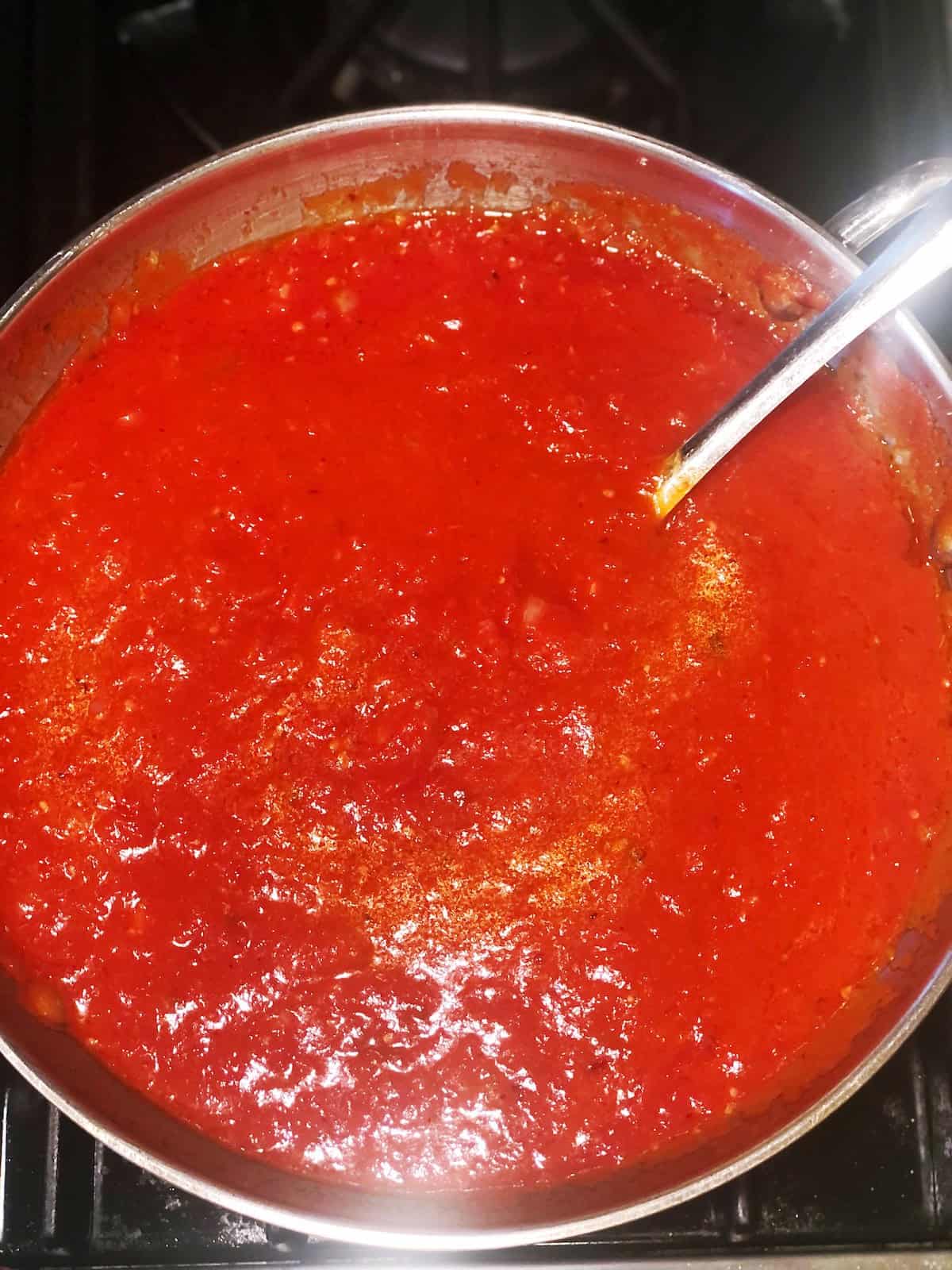
Authentic Marinara Sauce: Learn Italian Family Secrets Today
There are few culinary delights as comforting and universally loved as a perfectly crafted marinara sauce. It’s the very essence of Italian-American cooking, a vibrant symphony of fresh garlic, ripe tomatoes, fragrant herbs, and exquisite olive oil. For many, the idea of creating such a masterpiece from scratch might seem daunting, leading them to reach for a jar from the supermarket shelf. However, we're here to reveal a delicious truth: mastering
homemade marinara sauce is not only incredibly easy but also deeply rewarding, promising a flavor profile that store-bought versions simply cannot match. Once you experience the depth and freshness of a truly authentic sauce made in your own kitchen, you'll wonder why you ever settled for anything less.
This article will guide you through the rich history, simple ingredients, and straightforward steps to prepare a magnificent marinara. More than just a recipe, it's an invitation to embrace a cherished Italian tradition, allowing you to infuse your meals with genuine, heartwarming flavor.
The Heart of Italian Cuisine: Why Homemade Marinara Matters
In Italian and Italian-American kitchens,
homemade marinara sauce isn't just an ingredient; it's a cornerstone, a culinary foundation upon which countless beloved dishes are built. Its ubiquity is no accident. The beauty of marinara lies in its elegant simplicity, transforming humble ingredients into something truly extraordinary.
Imagine the aroma wafting from your kitchen as fresh garlic gently sizzles in golden olive oil, releasing its pungent perfume. This is swiftly followed by the burst of sweet, acidic tomatoes, mingling with aromatic basil and oregano. The magic happens as these elements simmer together, coalescing into a sauce that is fresh-tasting, wonderfully velvety in texture, and imbued with a depth of flavor that speaks of generations of culinary wisdom.
The impact of this simple sauce extends far beyond its taste. It’s incredibly versatile, serving as the perfect partner for a mountain of spaghetti, a luxurious bed for tender simmering meatballs, a zesty base for homemade pizza, or even a delightful dipping sauce for crusty bread. The commitment to making it from scratch ensures you control every aspect, from the quality of the tomatoes to the precise balance of seasonings, resulting in a healthier, more vibrant, and undeniably superior product compared to its mass-produced counterparts. Furthermore, the cost-effectiveness of preparing your own sauce means you're not just saving money; you're investing in quality ingredients that nourish your body and soul.
Unveiling the "Marinara" Mystery: A Culinary History Lesson
While the term "marinara sauce" is a household name in many parts of the world, particularly in North America, it carries a fascinating linguistic quirk when you travel to Italy. In its homeland, you won't typically find a dish explicitly labeled "marinara sauce." Instead, what we know as marinara is more commonly referred to simply as "sugo di pomodoro" – a classic tomato sauce. This subtle distinction hints at a rich history shaped by geography, immigration, and culinary evolution.
The word "marinara" itself translates to "seafaring" or "mariner's style." Historically, in the coastal regions of Southern Italy, particularly Naples, "alla marinara" signified dishes prepared in the style of seafarers. This often involved fish or seafood cooked with tomatoes, garlic, and herbs – ingredients readily available to those working or living by the sea. Think of a simple seafood pasta or a fish stew, robustly flavored with fresh produce.
Over time, as Italian immigrants, many from Southern Italy, journeyed to new lands like America, their culinary traditions began to adapt and evolve. In these vibrant new communities, the meaning of "marinara" shifted. The "alla marinara" preparation, with its distinctive tomato and herb base, became synonymous with the sauce itself, even when served without seafood. It’s a testament to the power of shared culture and the resourcefulness of immigrants keen to preserve their flavors while adapting to new environments. So, while an Italian nonna might not call her classic tomato sauce "marinara," the spirit and ingredients are undoubtedly the same – a testament to simple, fresh flavors passed down through generations.
Crafting Your Perfect Homemade Marinara Sauce: Ingredients and Steps
Embarking on your journey to create the perfect
homemade marinara sauce begins with a focus on quality ingredients and a few straightforward steps. Remember, simplicity is key to Italian cooking, allowing each flavor to shine.
Essential Ingredients for Marinara Excellence:
*
Tomatoes: The Star of the Show: This is where authenticity truly shines. While fresh, ripe summer tomatoes are glorious, they are only in season for a short window. For consistent, year-round excellence, most Italian families rely on high-quality
canned San Marzano tomatoes. These plum tomatoes, grown in the volcanic soil near Mount Vesuvius, are renowned for their sweet flavor, low acidity, and delicate texture. Opt for whole peeled San Marzanos – you can crush them by hand or pulse them briefly for your desired consistency. If using fresh tomatoes, choose ripe, meaty varieties like Roma or plum tomatoes, blanch, peel, and seed them before use.
*
Olive Oil: The Golden Elixir: Use a good quality extra virgin olive oil. Its fruity, peppery notes will form the fragrant base of your sauce.
*
Garlic: The Aromatic Soul: Fresh garlic is non-negotiable. Finely minced or thinly sliced, it infuses the oil with its signature aroma. Avoid pre-minced jarred garlic, as it lacks the vibrant flavor of fresh cloves.
*
Herbs: The Fragrant Touch: Fresh basil is paramount, added towards the end for its bright, sweet notes. Dried oregano can also be used, typically added earlier to bloom its flavor. A pinch of red pepper flakes is optional for a subtle warmth.
*
Seasoning: The Finishing Touch: Sea salt and freshly ground black pepper are all you need to enhance the natural flavors.
*
Optional but Recommended: Tomato Paste: A small spoonful of concentrated tomato paste, added after the garlic, can deepen the tomato flavor and slightly thicken the sauce, particularly useful if your tomatoes are a bit watery.
*
A Pinch of Sugar: Sometimes, especially with less ripe tomatoes, a tiny pinch of sugar can balance acidity without making the sauce sweet. Add sparingly, only if needed.
The Four Essential Steps to Marinara Mastery:
1.
Infuse the Oil: In a sturdy pot or Dutch oven, heat a generous glug of olive oil over medium-low heat. Add your minced or sliced garlic (and a touch of onion if you prefer a deeper base, though traditional marinara often skips it). Sauté gently until fragrant and golden, being careful not to burn it – burnt garlic turns bitter. If using, stir in the tomato paste and cook for another minute.
2.
Introduce the Tomatoes: Pour in your chosen tomatoes. If using whole canned tomatoes, crush them by hand directly into the pot for a rustic texture, or pulse them quickly in a food processor for a smoother sauce. Add any dried herbs like oregano at this stage. Bring the mixture to a gentle simmer.
3.
Simmer to Perfection: Reduce the heat to low, cover partially, and let the sauce simmer for approximately 30 minutes. This is the crucial window where flavors meld and deepen. Avoid overcooking, which can dull the fresh taste, and undercooking, which leaves the sauce thin and underdeveloped. Stir occasionally to prevent sticking.
4.
Season and Finish: Remove the sauce from the heat. Stir in fresh basil leaves (torn or roughly chopped) and season generously with sea salt and freshly ground black pepper to taste. If you added sugar, now is the time to taste and adjust for acidity.
Insider Tips for a Truly Authentic Flavor:
*
The Sizzle of Garlic: Don't rush this step. Allow the garlic to gently perfume the oil, releasing its essence without browning. This forms the aromatic soul of your sauce.
*
Tomato Quality is King: We can't stress this enough. Invest in the best San Marzano tomatoes you can find. Taste a bit from the can before adding to get an idea of their sweetness and acidity.
*
Low and Slow (but not too slow): The 30-minute simmer is a sweet spot. It's long enough to marry the flavors but short enough to retain the vibrant, fresh taste of the tomatoes.
*
Fresh Herbs Finish: Always add fresh basil at the very end. The heat will wilt it, releasing its delicate fragrance and bright flavor without overcooking it.
*
Make Ahead & Freeze: Homemade marinara sauce is an excellent candidate for batch cooking. Make a double or triple batch, cool completely, and freeze in airtight containers or bags for up to 3-4 months. It’s a lifesaver for quick weeknight dinners!
Beyond the Pasta Bowl: Versatile Uses for Your Homemade Marinara
The beauty of a well-made
homemade marinara sauce lies not only in its exquisite flavor but also in its incredible versatility. While it's undeniably the perfect match for a classic plate of spaghetti, its potential extends far beyond the pasta bowl, making it an indispensable part of any home cook's repertoire.
Imagine dolloping generous spoonfuls onto a crispy pizza crust for an authentic Italian pie, or using it as the rich base for comforting baked dishes like lasagna or eggplant Parmesan. It's the secret ingredient that elevates chicken Parmesan, provides the foundational flavor for simmering meatballs or Italian sausage, and even transforms a simple omelet into a Mediterranean-inspired breakfast. Don't forget its role as a vibrant dipping sauce for arancini, mozzarella sticks, or a rustic loaf of focaccia. The possibilities are truly endless, limited only by your culinary imagination.
To explore more creative applications and discover how this staple can revolutionize your meal planning, you might find inspiration in articles like
Homemade Marinara: The Versatile Sauce That Beats Store-Bought. And for those nights when time is of the essence but quality is still paramount, learn how to whip up a fantastic sauce in no time with our guide to
Minute Marinara: Easy, Authentic, & Better Than Store-Bought.
Embrace the Tradition
Embarking on the journey to make your own
homemade marinara sauce is more than just cooking; it's an act of culinary tradition, a connection to the rich heritage of Italian family kitchens. The simplicity of the ingredients, the ease of preparation, and the unparalleled taste make it a truly rewarding endeavor. Once you experience the vibrant freshness and comforting depth of a sauce made from scratch, simmered with love and attention, you'll undoubtedly swear off store-bought jars forever. So gather your ingredients, follow these family secrets, and prepare to bring the authentic taste of Italy right into your home. Buon appetito!